How to Transform Your Kitchen with Smart Appliances in Australia
Understanding Smart Appliances
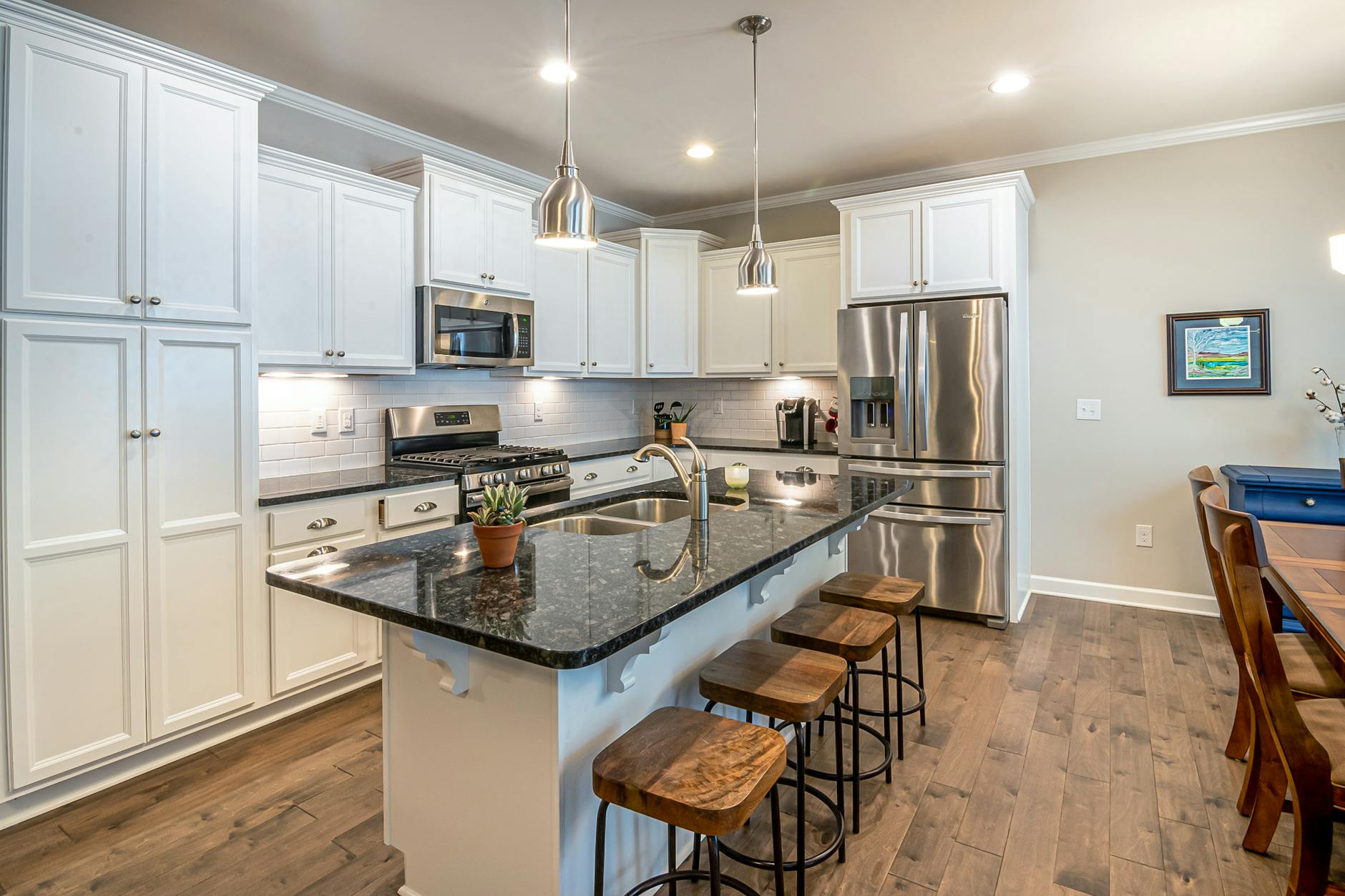
Integrating smart appliances into your home is not just about convenience and automation; it's also a leap toward a more sustainable lifestyle. For instance, a Westinghouse fridge can streamline how you use and store your groceries by providing energy-efficient cooling on demand. This appliance not only elevates your kitchen's functionality but also contributes to lower energy consumption, aligning perfectly with the sustainable ethos of installations at the Melbourne Convention and Exhibition Centre.
Core Features I Use
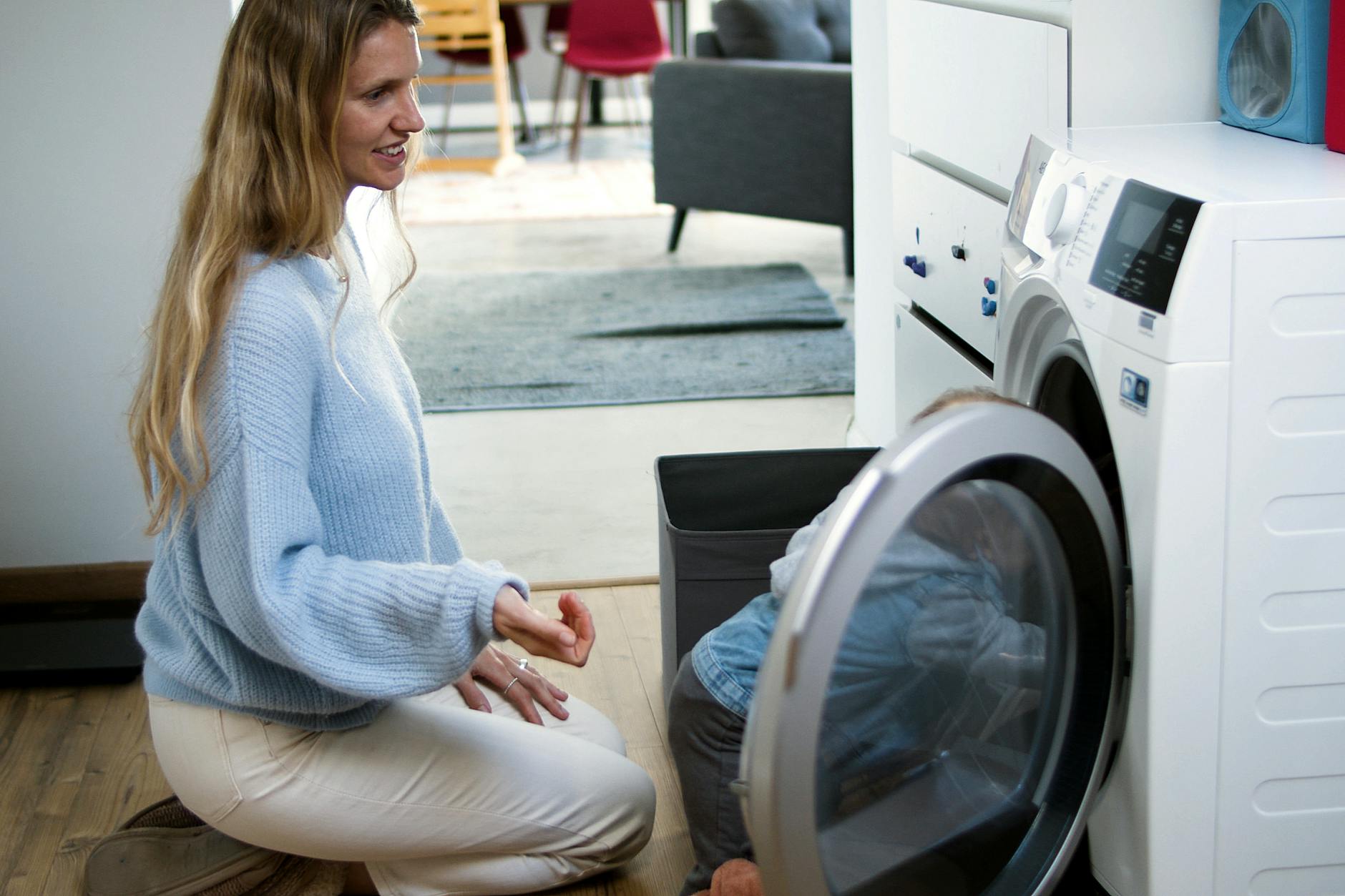
Smart appliances offer features that bridge technology and functionality seamlessly. From dryers that sense when your clothes are perfectly dry, thus avoiding unnecessary energy use, to dishwashers with eco-friendly settings, these devices are redefining efficiency. They come equipped with intuitive controls and are often Wi-Fi connected, allowing you to manage your tasks remotely. This proves handy for those of us with packed schedules, striving for sustainability without compromising productivity.
Benefits I Experience
Using smart appliances has been a game-changer in terms of time and energy savings. By harnessing technology's power, I've been able to achieve superior results—fresher food, cleaner dishes, and efficiently dried clothes. These appliances cater to my eco-conscious values, significantly reducing my carbon footprint and utility bills.
My Sustainable Options
Incorporating appliances that are both smart and environmentally conscious mirrors initiatives like the sustainable projects at Federation Square. Whether it's a fridge with precision temperature control, a water-efficient dishwasher, or a low-energy dryer, making these choices is a practical way to support green living.
Transforming Your Kitchen
Revamping the heart of a home isn't just about clever aesthetics; it's about synchronising innovation and sustainability. My kitchen upgrade journey started with induction cooktops that draw attention at the Melbourne Science Gallery, known for their energy-saving prowess and sleek design. This technology thrives on precision, offering immediate temperature control that classic stoves can't compete with, which reduces not just my cooking time but also energy wastage. In tandem, bar fridges nestled effortlessly into confined spaces, proving indispensable as they astutely manage cooling with minimal energy expenditure, aligning with broader sustainable initiatives.
Next, I tackled the challenge of integrating these advancements with my existing systems. Connecting appliances via smart hubs helps maintain a seamless interaction, marrying the old with the new. This integration is pivotal in achieving a fully smart kitchen without the need for complete overhauls. Making these connections functional was paramount, allowing differing appliances to operate in harmony with one another.
Finally, enhancing kitchen efficiency became my focus. Embracing gadgets that are both energy-efficient and environmentally friendly enhances not just the home's value but also its operation. With intelligent systems continually monitoring energy use, unnecessary consumption is curtailed. In this fusion of technology and sustainability, my kitchen transformation isn't just about modern convenience—it's a forward-thinking lifestyle adaptation for those seeking to merge daily living with eco-conscious practices.
Installation and Setup
Steps I Followed
When setting up my kitchen appliances, I began by ensuring each device was compatible with my existing systems. For instance, when integrating microwaves, it's crucial to sync them with any smart home ecosystem. Connecting to Wi-Fi and downloading relevant apps on my smartphone was straightforward. This initial step makes managing and monitoring devices, like coffee machines, seamless. I ensured all devices were near an electrical outlet but not overcrowding any power sources, which is critical for safety.
Tackling Common Issues
One of the challenges I faced during installation was weak Wi-Fi signals, particularly in spots far from routers. To combat this, I invested in Wi-Fi extenders, which significantly improved connectivity issues. With microwaves, if there was any functionality issue, checking the power settings typically resolved the problem. Another tip is to revisit the user manuals periodically; sometimes, the solution is simpler than it appears.
Optimizing for Best Performance
Once my devices were installed, I prioritised optimisation. For coffee machines, regular cleaning is essential. Innovative methods, inspired by sustainable projects at Federation Square, can enhance appliance longevity. Additionally, scheduling my microwaves to operate during off-peak energy hours reduces costs and is more environmentally friendly. Smart scheduling and regular maintenance play significant roles in achieving optimal performance, combining convenience with energy efficiency effectively.
Sustainable Tech Practices
Energy-Saving Tips I Recommend
Harnessing the potential of energy-efficient appliances can be a game-changer in reducing your carbon footprint and lowering your utility bills. In the spirit of sustainable projects seen at Federation Square, incorporating certain practises at home can substantially decrease energy consumption. When using a clothes dryer, consider air-drying clothes during the day, allowing the sun's natural heat to do the work. Additionally, organising full loads before running the dryer maximises its efficiency, ensuring you’re not wasting energy on half loads.
Eco-Friendly Appliance Usage
Modern homes now often include advanced kitchen systems, such as the zip tap, known for providing instant boiling and chilled water. These systems exemplify the seamless integration of innovation and sustainability and can frequently be seen in setups similar to those at the Melbourne Convention and Exhibition Centre, where efficiency meets sophistication. While using such gadgets, it's vital to regularly check for leaks and maintain proper settings. Keeping appliances in optimal condition prolongs their lifespan and conserves energy.
Reducing My Carbon Footprint
To reduce your home's environmental impact, start by evaluating the energy ratings of your appliances and replacing those that are less efficient. Using smart plugs to control device timings, like turning off idle electronics, can make a significant difference. These actions align well with the insights shared at tech events or a conference, where the focus often lies on maximizing technology’s potential without compromising the planet's health. Through thoughtful adjustment of daily habits and appliance management, sustainability at home becomes both achievable and impactful.
Common Mistakes
Overlooked Setup Errors
In my journey toward a smarter home, I've realised that overlooking key setup details can stifle innovation. For example, failing to update the firmware of smart devices often leads to connectivity issues. Ensuring that Wi-Fi routers at home, similar to the high-speed setups in the Melbourne Convention and Exhibition Centre, are correctly configured is vital for optimum device performance. Additionally, aligning device placement with connectivity requirements can vastly improve the functionality of your smart appliances.
Misestimated Energy Usage
Understanding energy consumption is crucial, as I've found through my experiences with sustainable projects at Federation Square. A common mistake is underestimating the energy requirements of smart devices, assuming all tech is inherently energy-efficient. Using energy usage tracking apps helps to accurately monitor and adjust consumption, mirroring the efficiency practices exhibited at the Melbourne Science Gallery. This conscious monitoring ensures that we reap the environmental and cost benefits promised by smart technology.
Lessons I've Learned
Over time, I've discovered that avoiding these pitfalls leads to greater efficiency and sustainability. Taking a cue from Melbourne's progressive tech scene, I've learned to embrace regular device audits and proactive maintenance. It’s all about understanding the fine balance between innovation and control4 smart home management. By viewing technology as a partner, rather than just a tool, I’ve been able to align my home’s ecosystem with the future of smart living. Through these insights, the path to a smarter, greener home feels much more achievable.